



For decades, trade shows have been the cornerstone of B2B face-to-face marketing. They remain one of the most effective ways to introduce new products, build industry visibility, meet prospective customers, and strengthen brand presence.
That hasn’t changed.
What has changed is the number of options companies now have for creating meaningful in-person experiences.
Today, marketing leaders have more choices than ever before. Customer summits, regional roadshows, partner events, user conferences, innovation centers, and other branded environments are becoming important additions to many companies’ event strategies. Rather than asking whether trade shows are still worthwhile, many organizations are asking a different question:
Which event format is best suited to this business objective?
For many companies, the answer is not just trade shows, but a thoughtfully balanced portfolio of event experiences.
Why Companies Are Expanding Their Event Portfolios
Several factors are driving this evolution.
Certainly, rising exhibit costs have encouraged many companies to reevaluate their trade show programs. Higher freight costs, labor rates, travel expenses, and increasing expectations for measurable ROI have caused many exhibitors to become more selective about where they invest.
But cost is only part of the story.
Marketing strategies have also evolved. Companies are placing greater emphasis on account-based marketing, customer retention, executive engagement, community building, and long-term relationship development. Many of these objectives are better served by targeted event formats than by large industry trade shows alone.
At the same time, advances in technology and event design have made it easier than ever to create memorable branded experiences outside the convention center.
Together, these forces are reshaping how many organizations think about face-to-face marketing.
Trade Shows Continue to Play a Critical Role
None of this suggests that trade shows are becoming less valuable.
In fact, recent research from CEIR found that exhibitions still account for more than 40 percent of exhibitors’ total marketing budgets, making them the single largest marketing investment category for many B2B companies. Nearly half of exhibitors expect to maintain their current trade show schedules, while many others expect to participate in even more shows.
Trade shows continue to offer advantages that are extremely difficult to duplicate elsewhere.
They remain unmatched for:
- broad market visibility
- new prospect discovery
- competitive positioning
- product launches
- industry networking
- establishing market presence
For companies with physical products, trade shows also provide opportunities for hands-on demonstrations and side-by-side product comparisons that digital marketing simply cannot replicate.
Trade shows remain an essential part of many companies’ marketing strategies. They simply are no longer the only option.
Different Event Formats Excel at Different Objectives
One of the biggest changes in B2B marketing is the realization that different event formats serve different business goals.
Customer Summits and User Conferences
Best for: customer retention, customer education, community building, and expanding existing accounts.
Unlike trade shows, customer summits allow companies to control every aspect of the attendee experience, from invitations and educational sessions to networking opportunities and executive access. These events often generate stronger customer loyalty, higher engagement, and more opportunities for upselling and cross-selling. Their primary limitation is they don’t generate new prospects like trade shows and often rely heavily on an existing customer base to drive attendance.
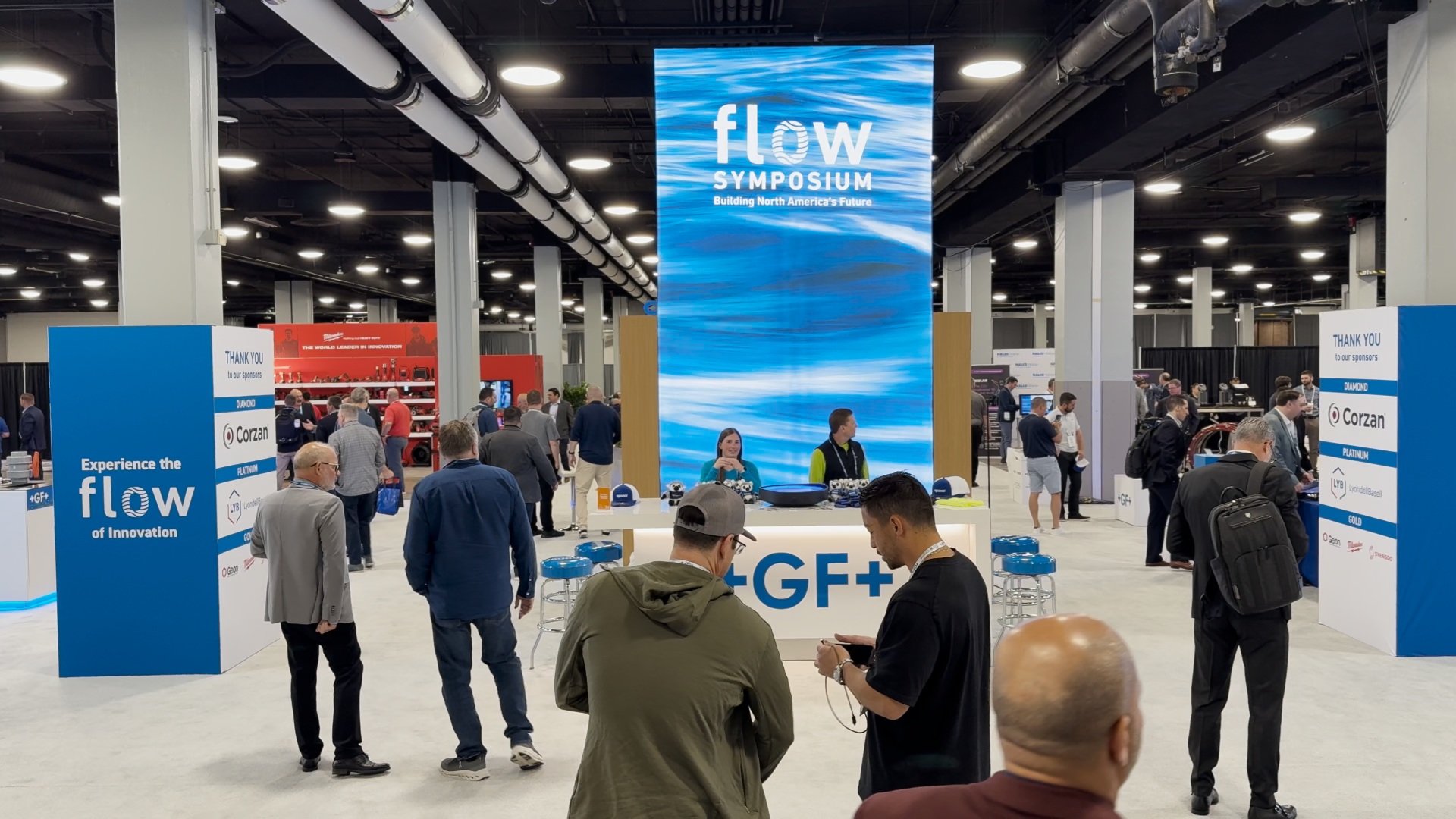
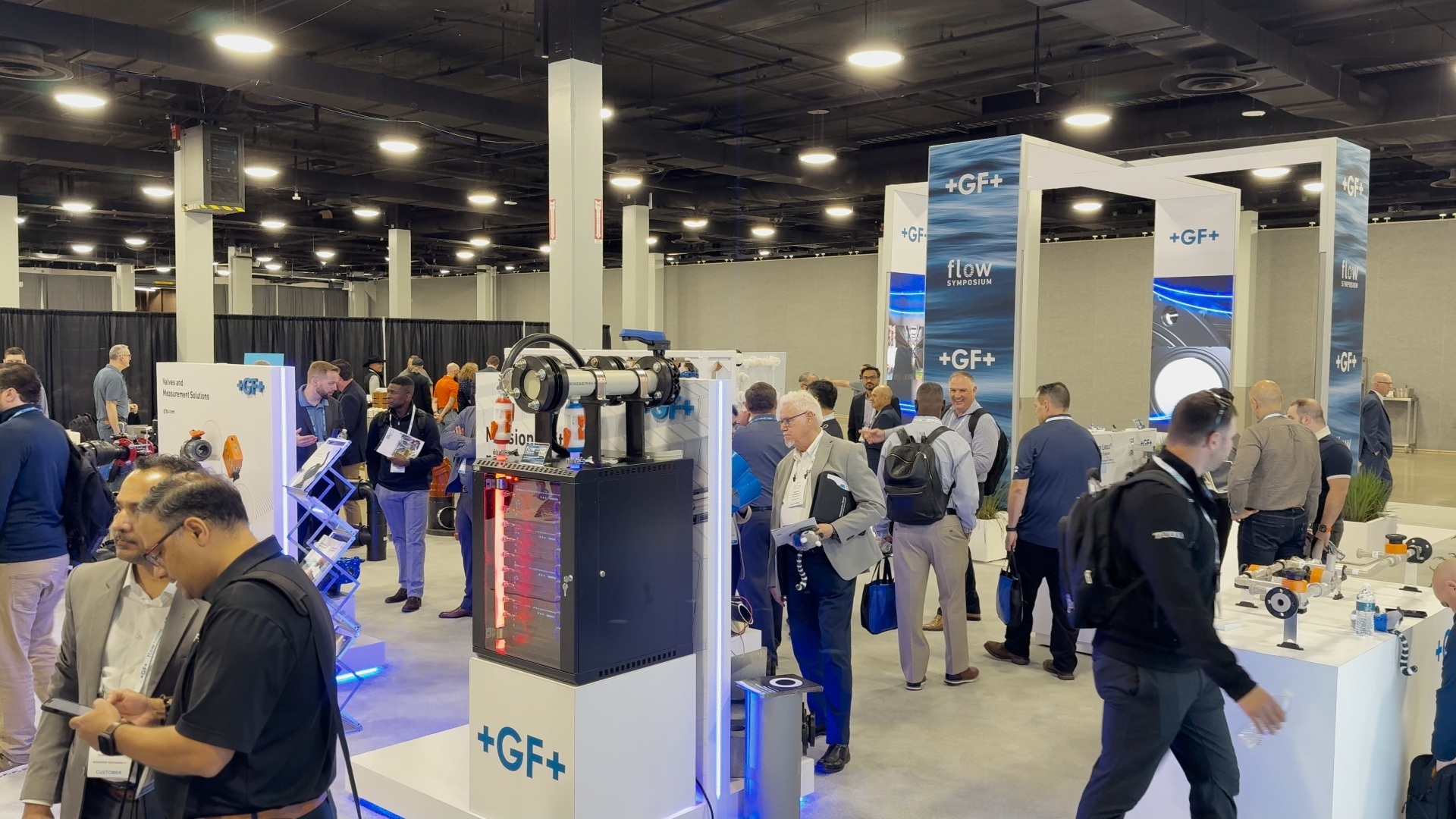 CenterPoint partnered with GF Piping Systems Americas to design and execute their private GF Flow Symposium 2026 — an event created to showcase the full breadth of GF/Uponor solutions while strengthening engagement through education, sponsorship opportunities, and networking, all within the newly unified GF/Uponor brand.
The centerpiece of the event was the Product Showcase: an immersive environment featuring educational hubs, hands-on product engagement zones, and a dramatic water wall installation that made a splash across attendee videos and LinkedIn content.
Regional Roadshows
Best for: geographic expansion, account-based marketing, and targeted prospect engagement.
Regional roadshows bring the experience directly to customers and prospects, reducing travel barriers and creating more focused opportunities for engagement. With smaller, carefully selected audiences, companies can tailor content to specific markets or accounts, spend more time with key decision-makers, and facilitate deeper product demonstrations and conversations. A repeatable roadshow format also creates consistency across markets while allowing the experience and messaging to be refined from one stop to the next.
Unlike major trade shows, roadshows offer less broad industry exposure and organic prospect traffic, making the quality of the invitation strategy and attendee list especially important.
Partner Events
Best for: strengthening distributor, reseller, and channel relationships.
Partner events provide opportunities to educate, motivate, and collaborate with the organizations that help bring products to market. Because attendees already have an established relationship with the company, conversations are often more strategic than those at public trade shows. However, these events typically provide limited opportunities for new customer acquisition.
 For their Global Off Road Dealer Meeting, Polaris wanted to reinforce confidence in the company’s strategy, reconnect with dealers, and build excitement for the 2027 product lineup. The private event brought the Polaris dealer network together with company leaders, product experts, engineers, and partners. It gave dealers an opportunity to explore new products firsthand, expand their knowledge, strengthen relationships, and prepare for a successful new model year.
CenterPoint partnered with Polaris to transform 156,000 square feet of empty convention space into an immersive, easy-to-navigate dealer experience. The expansive environment featured 105 vehicles, 22 business zones, interactive learning opportunities, partner exhibits, retail, and collaborative spaces—all planned to support discovery, meaningful conversations, and stronger dealer connections.
Experience Centers
Best for: executive briefings, complex product demonstrations, and long sales cycles.
Experience centers create immersive branded environments where companies control every aspect of the customer journey. They provide a dedicated setting for customers and prospects to explore products and solutions, experience complex technologies firsthand, and engage in personalized demonstrations and executive-level discussions. Because the environment is always available, visits can be tailored to specific customers, industries, or business challenges and scheduled around key points in the sales process.
Experience centers can also serve multiple purposes, from customer briefings and training to product launches, content creation, and internal events, extending the value of the investment. They are especially effective for sophisticated or highly technical solutions that benefit from hands-on exploration and deeper education.
Their primary limitation is the investment required to build, operate, and continually refresh the experience to keep it relevant and engaging.
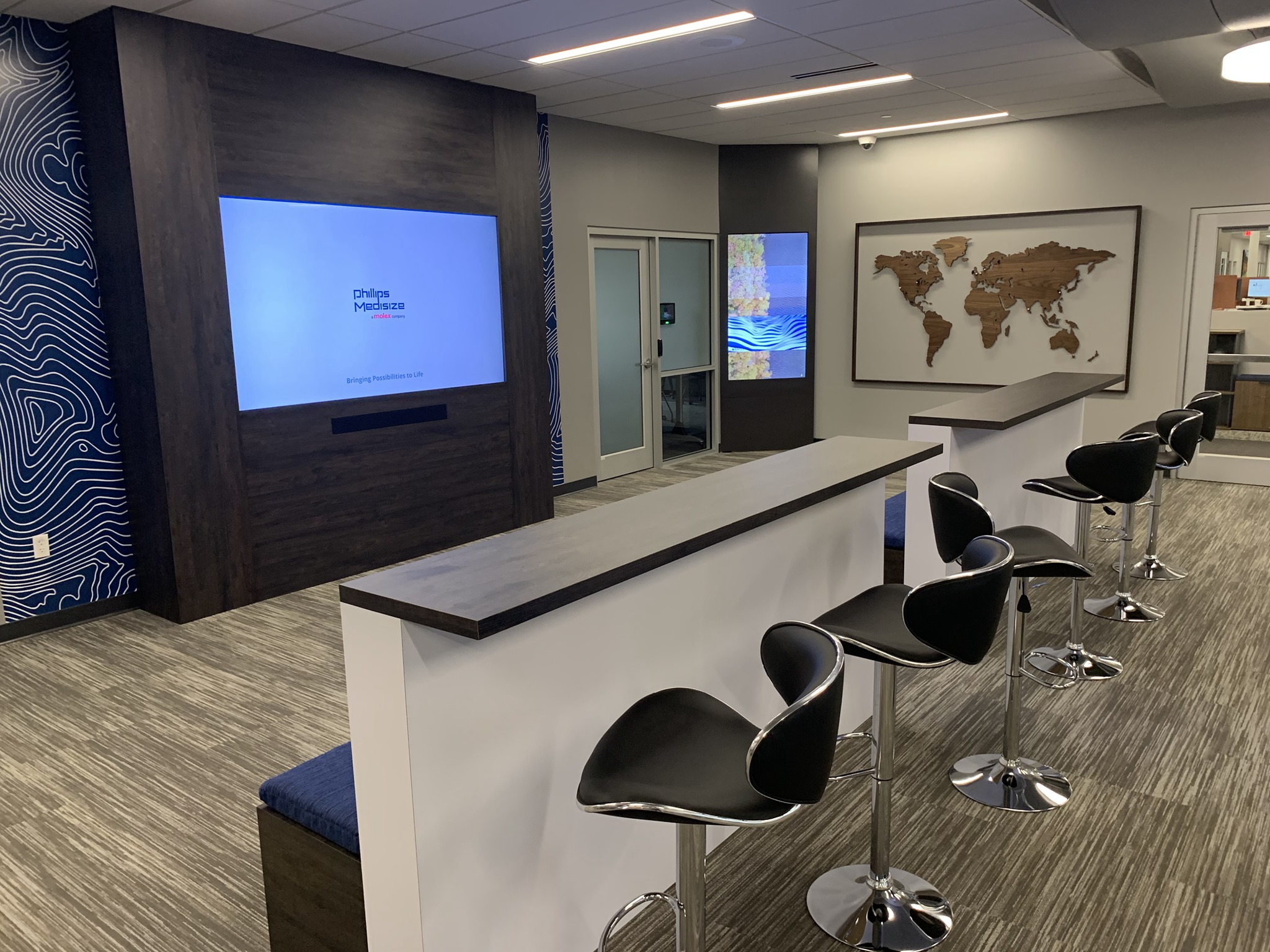 CenterPoint Marketing teamed with Phillips Medisize to create this beautiful Customer Experience Center that provides a welcoming informational area for their customers to explore the Phillips Medisize brand. The touch screen and videos allow customers to explore products, processes and facilities.
Other Branded Experiences
Many companies are also experimenting with educational workshops, innovation showcases, customer advisory meetings, hospitality environments, and other specialized events designed around very specific audiences. These experiences may never attract thousands of attendees, but they often create stronger engagement with the people who matter most.
Matching the Right Event to the Right Objective
Rather than viewing these formats as competitors to trade shows, many companies now view them as complementary parts of a larger event strategy.
| Business Objective | Trade Shows | Customer Summits | Regional Roadshows | Partner Events | Experience Centers |
| Broad Market Visibility | 🟢 Excellent | 🟡 Moderate | 🟡 Moderate | 🟡 Moderate | 🔴 Weak |
| New Prospect Discovery | 🟢 Excellent | 🔴 Weak | 🟡 Moderate | 🔴 Weak | 🔴 Weak |
| Customer Retention & Expansion | 🟡 Moderate | 🟢 Excellent | 🟡 Moderate | 🟢 Excellent | 🟢 Excellent |
| Executive Engagement & ABM | 🟡 Moderate | 🟢 Excellent | 🟢 Excellent | 🟡 Moderate | 🟢 Excellent |
| Complex Product Education | 🟡 Moderate | 🟢 Excellent | 🟢 Excellent | 🟢 Excellent | 🟢 Excellent |
| Geographic Market Penetration | 🟡 Moderate | 🔴 Weak | 🟢 Excellent | 🟡 Moderate | 🔴 Weak |
Legend: 🟢 Excellent 🟡 Moderate 🔴 Weak
The comparison illustrates that no single event format wins across every objective. Trade shows remain the strongest platform for broad awareness and new business development, while alternative event formats often provide greater value for relationship-focused objectives.
The strongest event strategies increasingly combine several formats rather than relying on only one.
A Broader View of Experiential Marketing
One trend we have seen among our own clients is a growing interest in augmenting—not replacing—their trade show programs.
Some continue to invest heavily in flagship exhibits while adding customer conferences or regional events. Others are creating permanent experience centers that complement their annual trade show schedule. Still others are developing partner meetings or educational events that strengthen existing relationships between major industry shows.
In every case, the objective is the same: create more opportunities for meaningful face-to-face engagement throughout the customer journey.
Looking Beyond the Booth
For companies that want to maximize the impact of their event marketing, the conversation is no longer simply about booth size or the number of trade shows on the calendar.
It is about creating the right environment for each business objective.
Whether that environment is a trade show exhibit, a customer summit, a regional roadshow, a partner meeting, or an immersive experience center, thoughtful experiential design can strengthen brand messaging, encourage deeper conversations, and build stronger relationships.
We have helped clients create engaging branded environments for all of these types of experiences. If your organization is exploring ways to broaden its event portfolio beyond traditional trade shows, contact us to discuss how we can help create experiences that align with your sales and marketing goals.